
NIWA
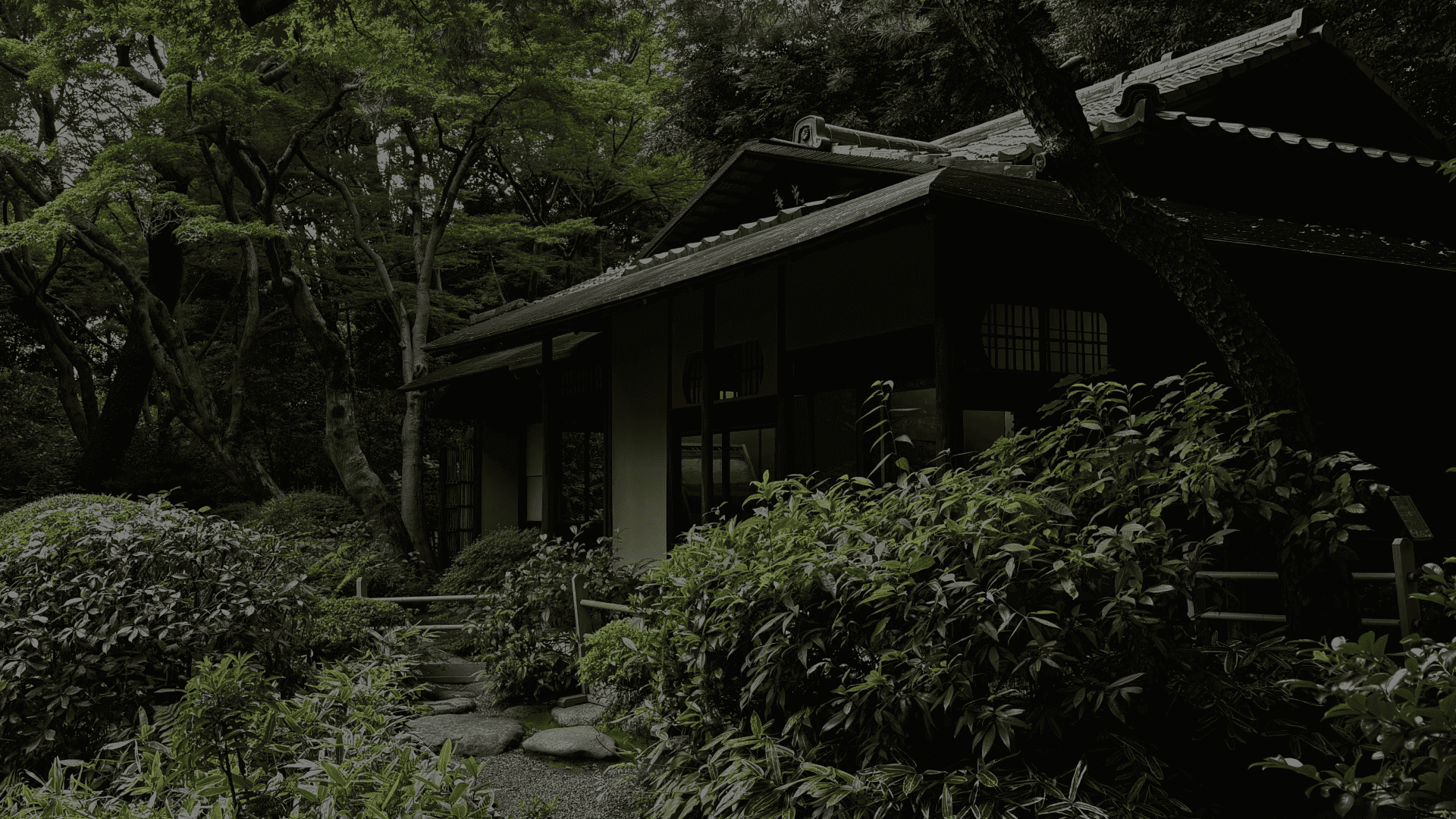
View of the pond, bridge, and teahouse in the Japanese Garden of the Tokyo Metropolitan Teien Art Museum

Garden Stories / Garden / 5-21-9 Shirokanedai, Minato-ku, Tokyo 108-0071, Japan

Tokyo Metropolitan Teien Art Museum Japanese Garden

A quiet Japanese garden behind an Art Deco residence in Shirokanedai

Set within the grounds of the former Prince Asaka Residence, this Japanese garden offers a quiet sequence of pond, bridge, and the teahouse Kōka, revealing how architecture and garden can breathe together in the heart of Tokyo.

01 / Garden Profile

Know the garden

Start with the profile, the outline of the place, and the elements worth reading before you walk.

About this garden

The Tokyo Metropolitan Teien Art Museum occupies the former Prince Asaka Residence, built in 1933. While the Art Deco main building is the museum’s best-known feature, the grounds are composed of three garden areas: the Lawn Garden, the Japanese Garden, and the Western Garden.

Among them, the Japanese Garden is the most contemplative space. Set deeper within the grounds, it brings together a pond, bridge, stones, planting, and the teahouse Kōka. In the middle of Tokyo, the pace suddenly feels slower.

The garden’s value lies not simply in being a Japanese-style garden beside a museum. After moving through the Art Deco residence, the open lawn, and the Western Garden, the Japanese Garden reveals how multiple cultural layers coexist within one estate. The light and ornament experienced inside the building seem to continue outside, reflected in the pond and softened by the trees.

What to look for

Pond and bridge

The pond forms the heart of the Japanese Garden. Its surface reflects trees and sky, while the bridge gently changes the rhythm of both sight and movement. Crossing the bridge, standing by the water, or stepping back to view the teahouse each gives the garden a different expression.

Teahouse Kōka

Kōka, the teahouse in the Japanese Garden, was completed in 1936. It contains three tea spaces: a small room, a larger room, and a ryūrei-style room for tea served while seated on chairs. This ryūrei space is especially notable for a prewar teahouse, and it resonates beautifully with the Art Deco residence nearby.

Contrast with the Lawn and Western Gardens

The museum’s garden is not experienced through the Japanese Garden alone. The open Lawn Garden inherited from the Prince Asaka Residence era, the relaxed Western Garden with benches, and the quieter Japanese Garden each create a different mood. Walking through all three makes the landscape feel like an extension of the museum itself.

Gardener’s perspective

What stands out here is not dramatic display, but the measured distance between architecture and garden. The Lawn Garden receives the building with openness, while the Japanese Garden lowers the gaze through water, trees, and the teahouse. Across the estate, the visitor’s mood shifts from openness to stillness, from Western to Japanese, from viewing to dwelling.

Around the teahouse, the planting and water do not compete with the architecture. They work as a quiet background. This is a garden that reminds us that garden design is not only about what we see, but also about the pace at which we move.

Suggested route

Begin by viewing the Art Deco main building from outside, then spend a moment in the Lawn Garden to feel the openness of the estate. From there, walk into the Japanese Garden and slowly circle the pond, taking in the bridge and the teahouse Kōka. Finally, move toward the Western Garden to sense how the atmosphere changes across the same grounds.

Autumn foliage is beautiful here, but the fresh green season is equally recommended. When soft green leaves surround Kōka, the garden offers a calm that makes Shirokanedai feel far away.

What to notice

Garden elements to read slowly

Pond and bridge

The pond and bridge form the core of the Japanese Garden, changing both the visitor’s pace and line of sight. Reflections, shade, and the position of the bridge create multiple views within a compact walk.

Teahouse Kōka

Completed in 1936, Kōka includes a small tea room, a larger room, and a ryūrei-style room. Its bright and open character subtly echoes the Art Deco residence nearby.

Three garden areas

Walking through the Lawn Garden, Japanese Garden, and Western Garden reveals the layered character of the former Prince Asaka estate: openness, stillness, and ease flowing into one another.

02 / NIWA craft notes

Read through a gardener's eye

Not as sightseeing notes, but as clues for understanding garden craft: pruning, stone, water, shade, and the decisions behind them.

01

The distance between architecture and garden

The garden receives the strong presence of the main building, then lowers the gaze in the Japanese Garden. It moves gracefully from a garden for viewing architecture to a garden for dwelling.

02

Planting that supports the teahouse

The planting and water around the teahouse do not overdecorate it. They create a quiet background, allowing the dignity of the tea architecture to emerge naturally.

03

Adjusting time within the city

Within the urban setting of Shirokanedai, the garden slows visitors down. Walking by the pond, crossing the bridge, and viewing the teahouse extend the afterglow of the museum experience.

03 / Garden Walk

Walk this garden

Move from route to access and map context, then open the film walk when it is available.

How to experience this garden

A slower route for noticing

01

1. Begin with the main building

Start by viewing the former Prince Asaka Residence from outside. Feeling the presence of the Art Deco architecture first gives the garden more depth.

02

2. Feel the openness of the Lawn Garden

In the Lawn Garden, enjoy the space between sky and architecture. Letting the view open here makes the stillness of the Japanese Garden feel stronger.

03

3. Walk around the pond

Walk slowly around the pond and notice how the bridge, stones, planting, and teahouse shift with each step. Even a small change in position can transform a photograph.

Compact notes before visiting

Address
5-21-9 Shirokanedai, Minato-ku, Tokyo 108-0071, Japan
Nearest station
About 7 min walk from Meguro Station / about 6 min walk from Shirokanedai Station
Hours
Garden 10:00-18:00 (last admission 17:30) / Teahouse 10:00-16:30. Some paths in the Japanese Garden are open 10:00-16:30 from October to March.
Closed
Mondays (open if Monday is a national holiday, closed the following weekday), year-end and New Year holidays
Entrance fee
Garden admission: Adults 200 yen, university students 160 yen, high school students and seniors 65+ 100 yen, junior high school students and younger free. Exhibition tickets include garden admission; the teahouse is included in garden admission.

Hours, fees, and closed days may change. Please confirm official information before visiting.

Check the entrance, station distance, and surrounding streets before you go.

Open in Google Maps

04 / Related

Related garden stories

Continue from this garden into nearby story themes, quiet films, and editorial contact.

Watch garden walks

NIWA Walks records garden atmosphere, natural sound, and walking pace.

Open NIWA Walks

Interview and PR inquiries

Send story ideas, media opportunities, and archive requests to NIWA.

Contact NIWA

Follow the garden archive

NIWA expands quiet garden footage, photography, and reference boards on YouTube, Instagram, and Pinterest.